
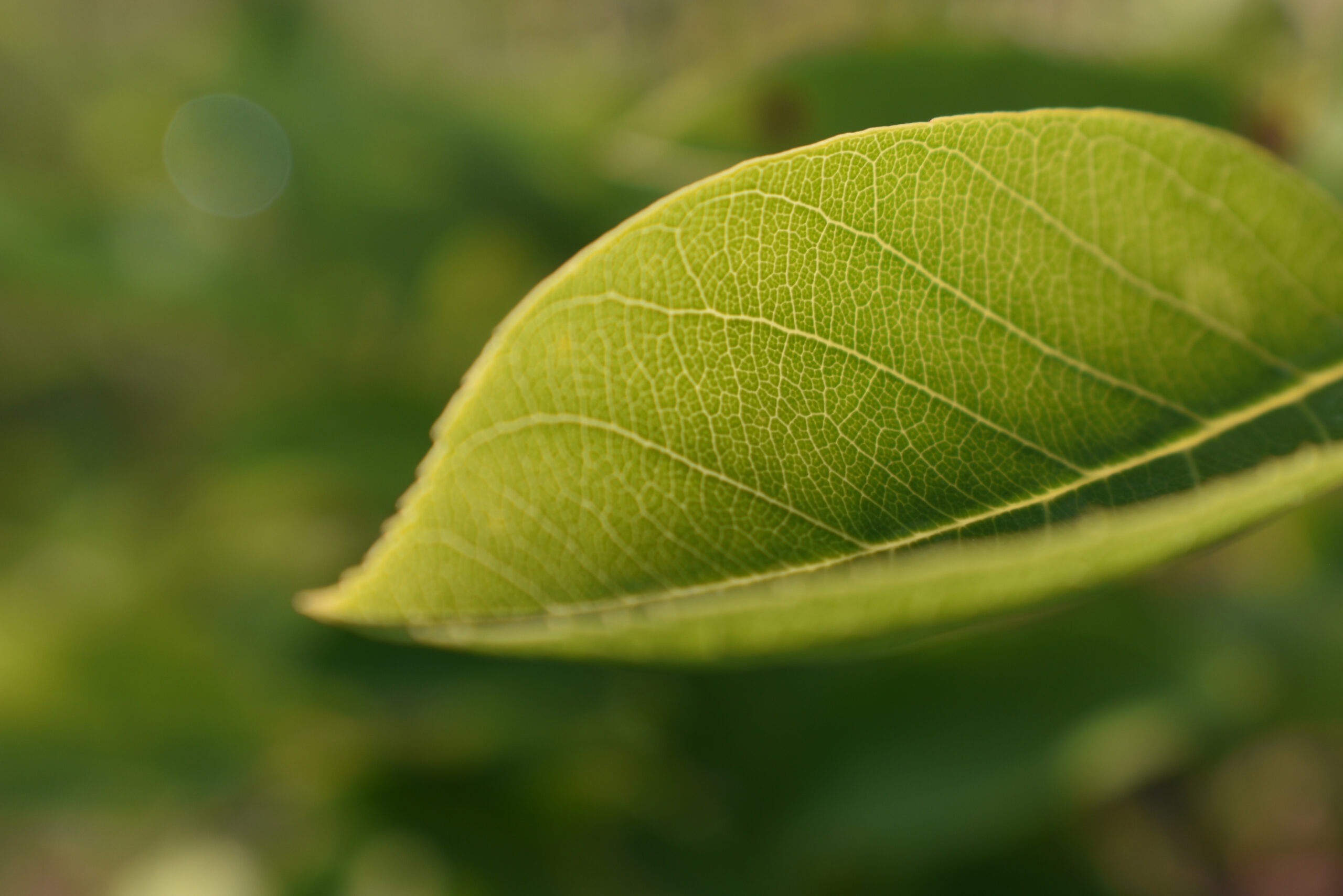
Or, juneberry
- Ojibwe: gozigwaakomin
- Menominee: ane’piminun or osäkwikominu’ka
- Latin: Amelanchier x grandiflora (“autumn brilliance”)
Human uses
Food
The sweet, purple-red berries can be eaten fresh, cooked into stews or baked goods, added to medicinal teas, or dried and stored for later use. Their flavor is often compared to blueberries, almonds, and cherries.
Ecology
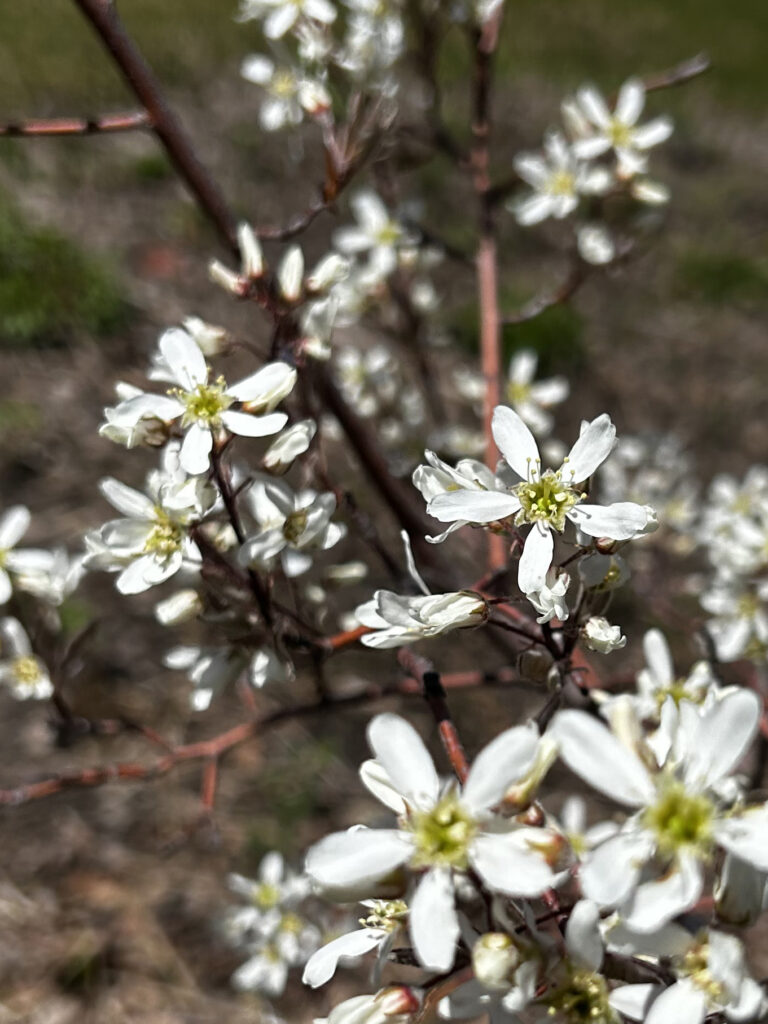
One of the earliest bloomers in spring, this plant provides an essential nectar source for pollinators. Its berries are valued summer food for many birds, including cedar waxwings and robins.
Medicine
In Indigenous medicinal traditions, this plant has been used to ease abdominal discomfort, treat diarrhea, and support gynecological health. The bark and root are sometimes steeped into teas.
Culture
The blooming of this plant is recognized as a seasonal marker, signaling the transition from winter to spring and the renewal of food sources.
*Note: Information on medicinal or consumption usage is for historical/traditional purposes, and is not recommended without proper knowledge or training.